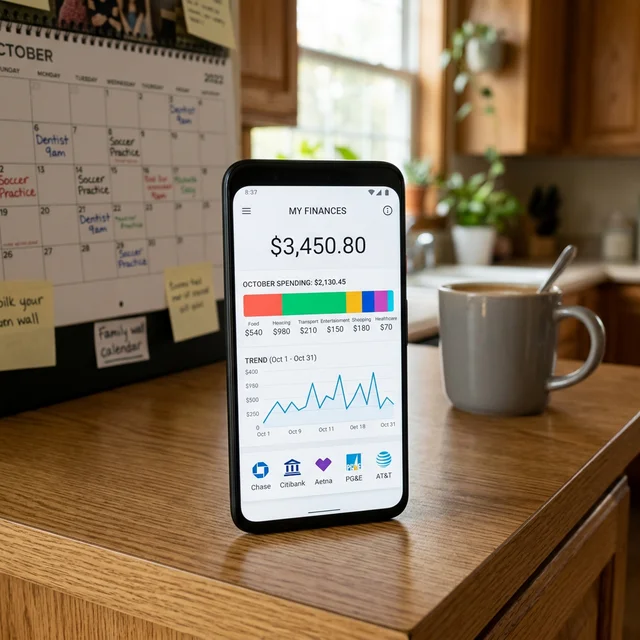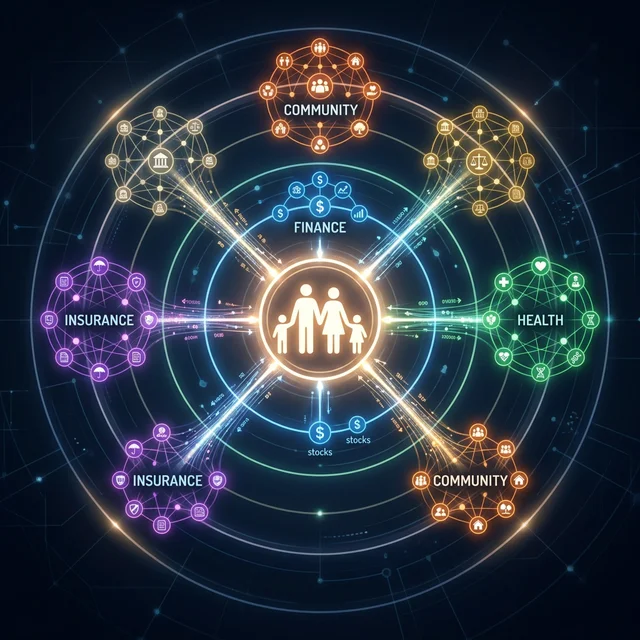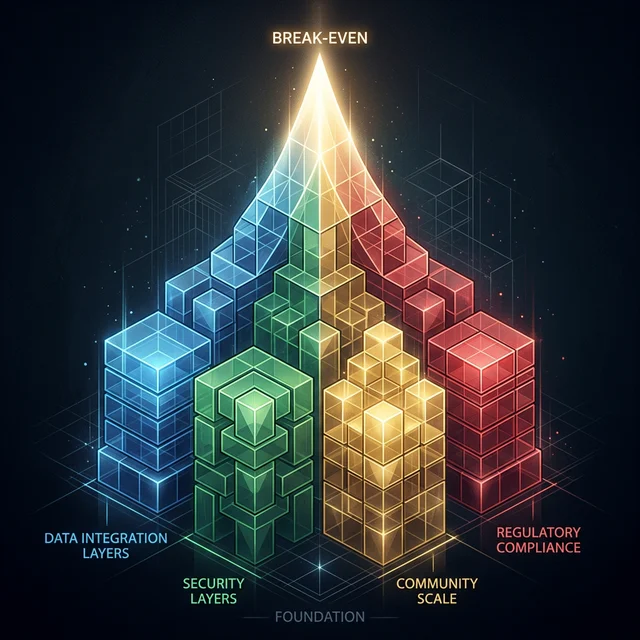
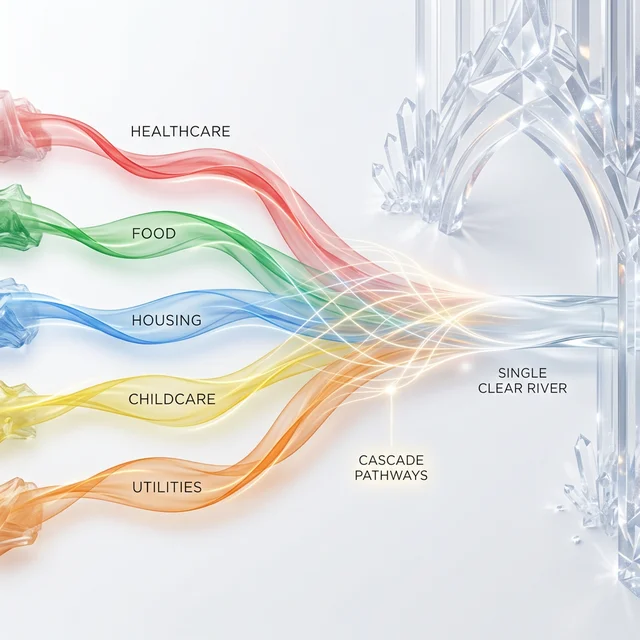

Six bills. Five essential categories. One family stretched to breaking. AffordabilityVault unifies your healthcare premiums, grocery costs, utility bills, childcare expenses, and housing burden into a single real-time dashboard — revealing the total squeeze that no spreadsheet, budgeting app, or government statistic has ever shown you. When your insurance company raises premiums 18%, this tool traces exactly where the pain cascades next.
Six bills
Core Promise · What It Does · Core Purpose
Business Model Perspective
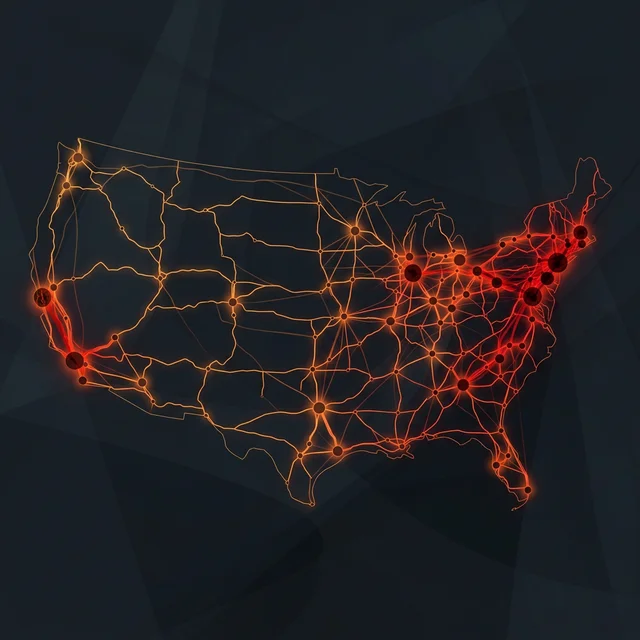
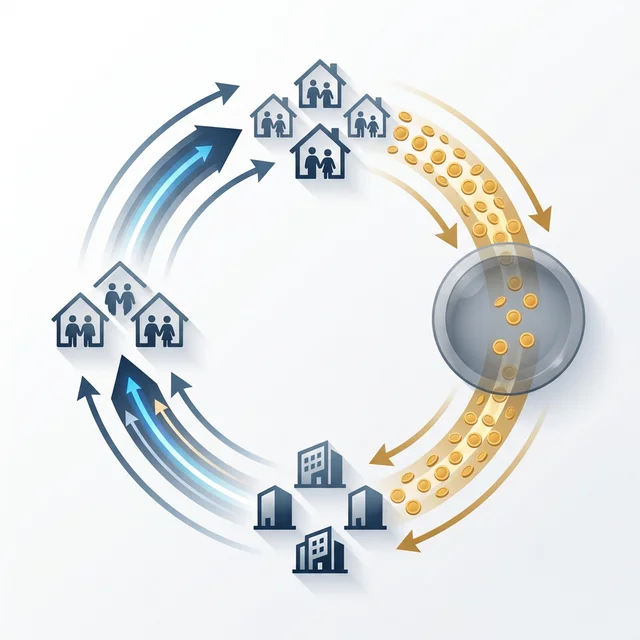
The fundamental gap in personal finance has never been within a single category — it is between them. Every budgeting app tracks groceries or healthcare or housing independently. Every government survey measures food insecurity or premium affordability or housing burden in isolation. But the real crisis is the cascade: when a family earning $84,000 absorbs an 18% healthcare premium increase, the ripple forces food quality downward, which degrades nutrition, which threatens future health, which will eventually drive healthcare costs higher still. This feedback loop — invisible to any single-category tool — is the defining affordability challenge for 14 million middle-class American households experiencing simultaneous cost pressure across five essential categories. AffordabilityVault is the first platform to connect all five categories into one intelligent view, making the cascade visible, traceable, and actionable. The platform achieves this through cross-provider data synchronization that normalizes billing cycles, formats, and category definitions into a unified affordability schema.
Marketing Perspective
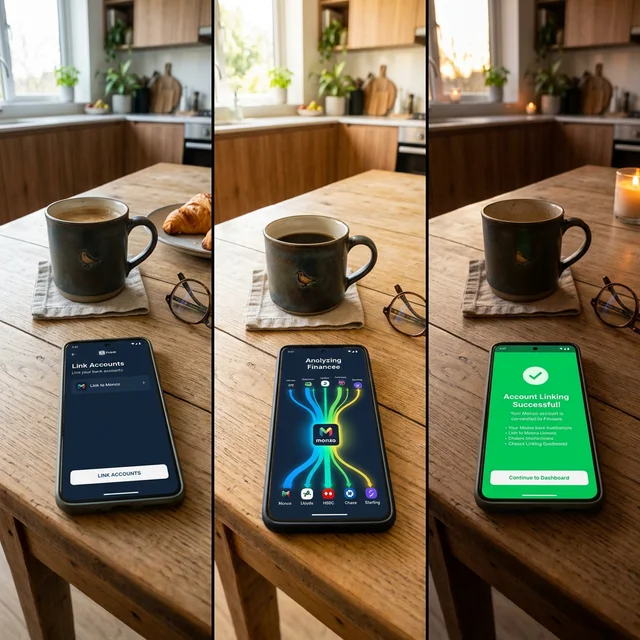
Three core capabilities distinguish this from anything on the market. First, a unified source of truth synchronizes data from healthcare portals, grocery transaction feeds, utility billing systems, childcare providers, and housing records through adapter-based APIs that handle any provider format. Second, a causal modeling engine uses structural causal models to detect and quantify cross-category cascade pathways — not correlation, but directional causation with confidence intervals. Third, a multi-objective optimization engine computes the specific rebalancing strategy that minimizes total projected harm across health outcomes, housing stability, child development, and nutritional quality simultaneously. Every calculation runs on the family's own encrypted data in their personal vault. No one — not the platform operator, not insurers, not government agencies — accesses this data without explicit, field-level consent granted by the family.
Strategic Questions
This matters because the middle-class affordability squeeze is not five separate problems — it is one interconnected crisis that no existing institution measures, monitors, or addresses. CPI says inflation is cooling at under 3%. But grocery prices remain 18% above January 2022. Healthcare premiums absorb $2,600 monthly from an $84,000 salary. Childcare costs rose 30%. Utility bills climbed 12%. Each increase depletes the financial buffer that would have absorbed the next one, creating compounding pressure that is measurably worse than the sum of its parts. Eighty-one percent of Americans report that food prices have not decreased. The official narrative describes a recovery that the majority is not experiencing. AffordabilityVault exists because families deserve a measurement that reflects their actual reality — cumulative price levels against their specific income, not abstract year-over-year rates — and tools that transform anxious midnight arithmetic into strategic, data-driven household management.
Sources & Evidence
- Agent 012: UVP statement and three pillars (See Total Squeeze, Predict Cascade, Own Your Truth)
- Agent 005B: Hero strengths S-15 (Unified Source of Truth, score 27), S-20 (AI Insight Engine, score 23), S-30 (Predictive Risk, score 22), S-85 (Financial Optimization, score 21)
- Agent 002: Pains P2-03 (no total squeeze tool), P2-07 (cannot model feedback loops), P2-14 (gaslit by inflation narrative)
- Agent 003: MCOA — Motivation strong (5 factors), Capacity/Opportunity/Actionability weak (platform must provide all three)